1.8 KiB
1.8 KiB
| theme | paginate | backgroundColor | backgroundImage | style |
|---|---|---|---|---|
| default | false | url('./background.svg') | section.lead { padding-bottom: 100px; } section { padding-bottom: 225px; } section.lead > h1 > strong { color: #375899; font-size: 64px; } section.lead > p:nth-child(3) { font-size: 16px; } h1 { color: #001847; padding-bottom: 0; margin-bottom: 0; } small { font-size: 16px; padding-left: 16px; } |

YREA SLS
Kyler Olsen
Fall 2025
Snow College
SE 3250
sls.purplecello.org
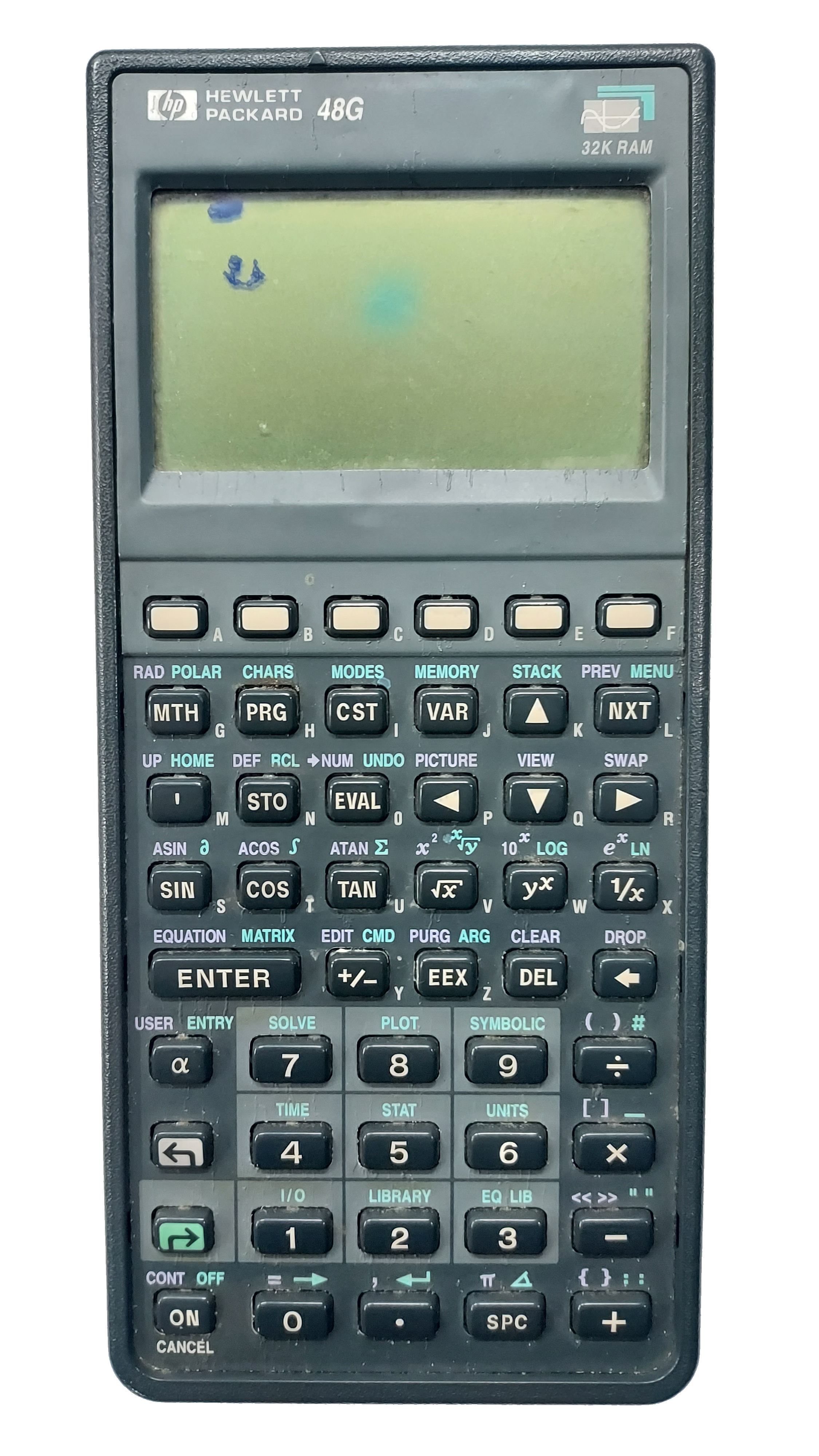
RPL
HP Reverse Polish Lisp
- Based on LISP and Forth
- Stack-oriented language with post-fix notation
- Created by HP for their calculators
Project
YREA SLS
- Stack-oriented language with post-fix notation
- C inspired Syntax
- Can run on an embedded system
Language
The C Language
- Systems Programming
- Used for Python and PHP interpreters
Excellent fit for my project!
Language
The C Language
- Manual memory management is difficult to get right.
- C development in a Linux environment was fun and rewarding.
- In the end I had a running program on a RP2040.
Port 1
Rust
- Systems Programming (Again)
- Included build system
- Memory safe with the barrow checker
Port 1
Rust
- Unlike previous projects in Rust, I didn't fight the barrow checker this time.
- I added exporting and importing the interpreter state in the REPL.
Port 2
Python
- My favorite programming language (maybe C is a close second now)
- This port was very easy for me to do.
- I did add a calculator app as an alternative to the REPL or file execution.
The End
You may clap now